A cheese-loaded sandwich is vegetarian. So are fries, mithai, and a plate of buttery pav bhaji. None of them are "bad" foods, but they show something important: vegetarian and weight-loss-friendly don't mean the same thing. So if you want a vegetarian meal plan for weight loss that actually works, look at the whole plate.
What to Know Before You Build Your Plan
Start With the Plate Test
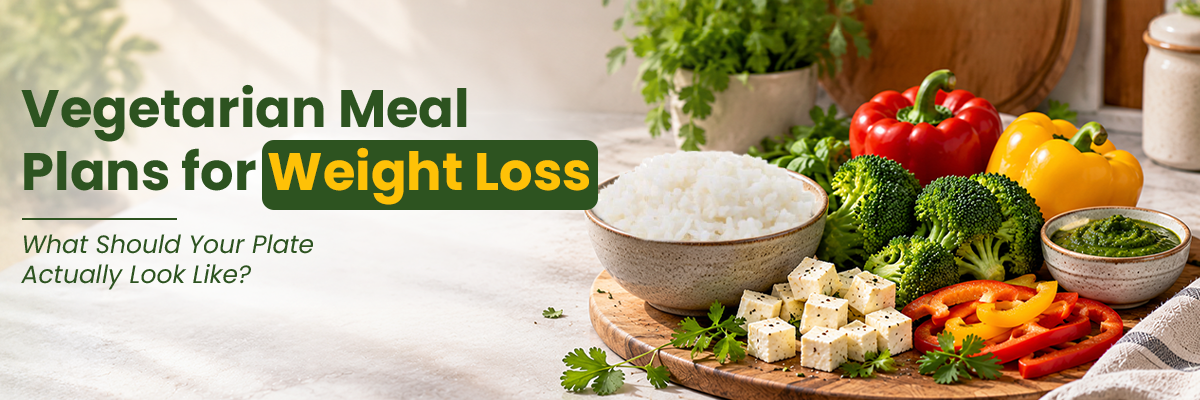
Next time you sit down for lunch, ask yourself four quick questions. Where's the protein? Where are the vegetables? How big is the carb portion? And how much extra energy hides in the oil, butter, dressings, or sauces? This simple check usually helps more than banning rice or refusing to eat after 7 PM.
Give Protein Real Space
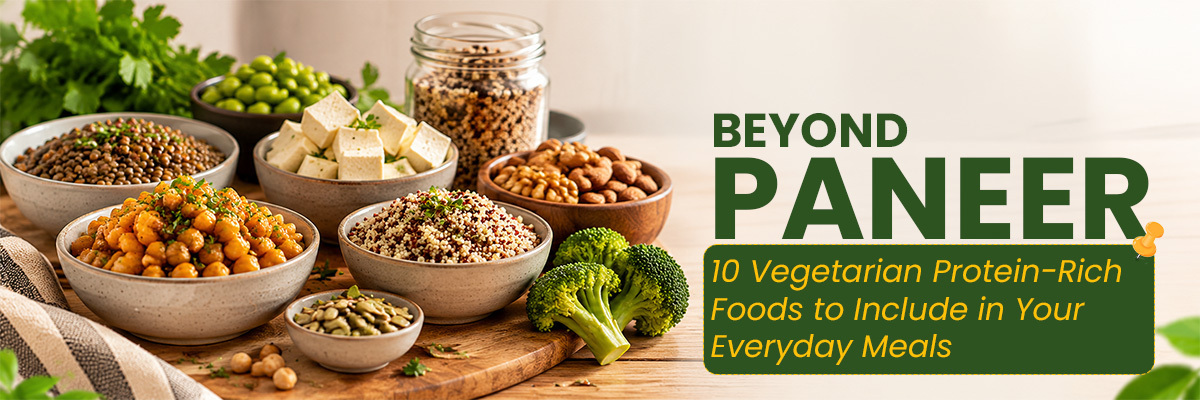
Vegetarian meals slide towards carbs without anyone planning it. You get two spoonfuls of dal beside a mountain of rice. Or paneer turns up on your plate, but it swims in cream. Instead, build your meals around paneer, tofu, soy, lentils, chickpeas, beans, curd, and other protein sources that suit you.
Don't Let a Calorie Deficit Feel Like Punishment
Weight loss generally means consuming fewer calories than you burn over time. That said, the deficit shouldn't take over your life. Very restrictive plans are difficult to live with, and they often make good nutrition harder. A solid plan leaves room for real life.
Repeatability Is the Boring Secret
The meals you can eat week after week beat the ones you quit after four days. That's where pre-planned vegetarian meals help. TFK takes planning and cooking off your to-do list, so you can focus on the bigger routine.
How to Make Your Plan Work in Real Life
Your plan has to survive a Tuesday
Weight-loss advice always sounds convincing on a motivated Monday morning. The real test arrives on Tuesday, when work runs late, a colleague brings snacks, and your dinner plans fall through. A good plan gives you enough structure to guide your choices, but it doesn't break down when an unexpected meal shows up.
That's why sustainable routines look pretty undramatic. They rely on sensible portions, familiar foods, enough protein and fiber, and some flexibility for normal life.
Healthy Foods Still Come in Portions
Nuts, seeds, paneer, granola, avocado, oils, and nut butters all bring useful nutrients. At the same time, they pack a lot of energy. You don't need to label them good or bad. Just remember that quality and calories are two separate questions. For example, a spoonful of peanut butter and half a jar are the same food, but they make very different portions. Eating gets easier once you stop sorting food into "guilt-free" and "guilty" and let portion size matter.
Let Protein and Fiber Do More of the Work
When you're watching how much you eat, meals that keep you full make a big difference. Protein-rich vegetarian foods, along with fiber from vegetables, legumes, and whole grains, help with that. The goal isn't to build the lowest-calorie plate possible. Rather, aim for a meal that nourishes you and makes the rest of your day easier. If lunch leaves you hungry an hour later, it isn't doing its job.
Don't Turn the Weekend Into a Diet
If you stay extremely strict from Monday to Friday, the weekend can become a free-for-all. Because averages matter, that pattern muddies your progress and wears you out. A moderate weekday structure with space for social meals is usually easier to keep up across all seven days. So Friday dinner doesn't have to test your discipline, and Monday doesn't need a detox. Getting back to normal is usually enough.
How to Track Progress Without Overreacting
Treat the Scale as Data
Your weight can change from one day to the next because of water balance, how much you ate, and other perfectly normal things. One morning reading doesn't tell you much about progress. Trends help far more than reacting to every small shift. If the changes look unusually big or come with health worries, talk to a doctor. Also, cutting your food again and again because of a single number rarely solves anything.
Watch the Hidden Extras Without Fearing Them
Cooking oil, creamy dressings, sugary drinks, sauces, and casual snacking add calories without ever looking like a meal. Awareness helps, since these extras are easy to forget. Still, you don't need to measure every drop. Just look at the pattern when your results don't match your expectations. Often, a small practical tweak works better than cutting out a whole food group.
How to Fit Your Plan Into a Mumbai Routine
Plan for Unpredictable Days
Long commutes and unpredictable meetings can turn a sensible day into random eating quickly. So decide ahead what you'll do when lunch gets delayed or you reach home late. A go-to restaurant order, a planned snack, a simple dinner, or a meal subscription can all become part of your system. The aim isn't control. Instead, you want fewer moments when extreme hunger decides for you.
Make Convenience Work for You
People often treat convenience as the opposite of healthy eating, but it can be one of your strongest supports. Grocery delivery, prepped ingredients, restaurants you know And meal subscriptions all close the gap between intention and action. The question to ask is whether the convenient option still fits your goal. If it does, nobody gives you a prize for making things harder. TFK plays that role for weekday meals by handling the planning and prep while leaving the rest of your day flexible.
Know What Success Should Feel Like
A sustainable plan should start to feel fairly ordinary after a while. You know roughly what your meals look like, you can eat out with friends without panic, and one unusual day doesn't send you back to square one. However, if your routine demands constant willpower, leaves you starving or makes you avoid normal life, give it a second look. General nutrition advice gives you a framework, but everyone's needs differ. If you have a health condition or specific concerns, talk to a qualified professional.
How The Fitletic Kitchen Fits In
The Fitletic Kitchen helps people fit vegetarian meals into a Mumbai routine more easily. Instead of treating "healthy" as a label, TFK focuses on freshly prepared, nutritionist-planned vegetarian meals, rotating recipes, and simple subscription management. If you're researching a vegetarian meal plan for weight loss, the value lies less in chasing a diet and more in skipping the same weekday decisions over and over.
TFK currently serves selected locations from Andheri to Dahisar, so check whether your area is covered before you choose a plan. Whatever you pick should still match your goal, your appetite, and your total daily intake.
FAQs
1. Can I lose weight while eating rice?
Yes. Rice fits into a weight-management diet as long as your portions and overall intake are right.
2. Is paneer good for weight loss?
It's a good source of protein. However, how you cook it and how much you eat matter, because paneer also packs plenty of energy.
3. Do I need to count every calorie?
Not necessarily. Some people like tracking, while others do fine with portions and structured meals.
4. Can vegetarian food provide enough protein?
Yes. Dairy, soy, tofu, lentils, legumes, and other protein-rich foods all deliver it.
5. How do I know if a vegetarian meal plan for weight loss is right for me?
Start with your goal, schedule, food preferences, appetite, and budget. If you have a medical condition or specific nutrition needs, get personalized advice from a qualified healthcare professional.
Conclusion
A good vegetarian meal plan for weight loss doesn't depend on a list of forbidden foods. It follows a simple structure: decent protein, vegetables and fibre, sensible portions, and an overall intake that suits your needs. Above all, it works when it feels like lunch, not punishment. The Fitletic Kitchen can make that routine easier with prepared vegetarian meals that fit busy Mumbai schedules. Still, the final call should reflect your own goals and needs.