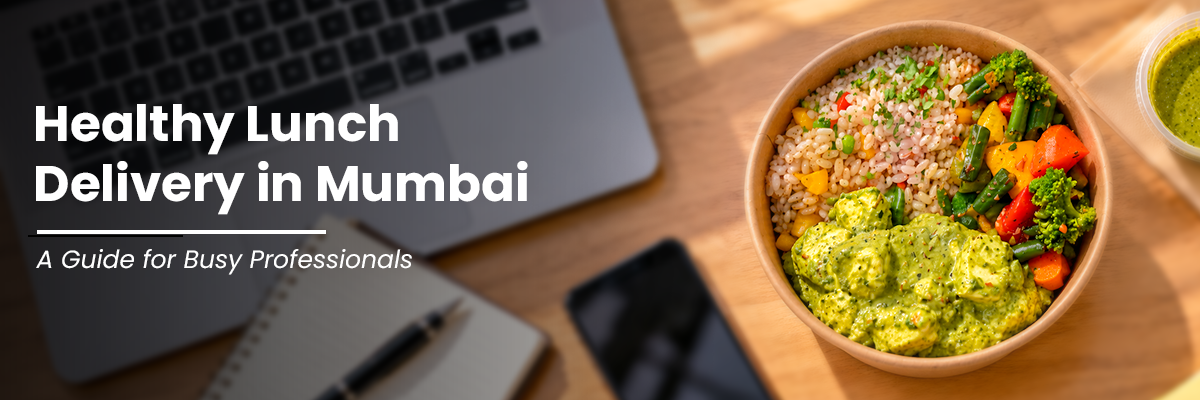
Healthy Lunch Delivery in Mumbai: What to Know
Build for the afternoon, not just the craving.
A practical lunch combines protein, vegetables, carbohydrates, and fats in sensible proportions. It should be substantial enough to prevent the 4 PM snack emergency. Not so heavy that your chair becomes a bed.
Ordering every day creates decision fatigue.
At 1:15 PM, you are not calmly evaluating nutrition. You are comparing delivery times. A lunch subscription moves the decision earlier when you are less hungry and more rational.
Office life is not predictable.
Monday in Andheri, Tuesday at a client office, Wednesday at home. Flexibility matters as much as the food itself. A useful subscription should accommodate the fact that modern workweeks move around.
Variety is a productivity feature.
Nobody wants to eat the lunch five times a week. Rotating menus help keep a routine from feeling restrictive. TFK uses a changing vegetarian menu; healthy office lunches still feel like actual meals.
Lunch has a job after lunch.
A workday meal should not be judged by how good it tastes at 1 PM. Notice what happens at 3 PM and 5 PM. Are you comfortably focused, or are you either uncomfortably full or urgently searching for snacks? Hunger and energy are influenced by factors, but repeated patterns can tell you whether the portion and composition deserve adjustment. Protein, vegetables, fiber-rich foods, and suitable carbohydrates can all contribute to a lunch that feels more complete.
Design for the meeting calendar
The ideal office lunch on paper may fail if it needs twenty minutes of assembly, complicated reheating, or a peaceful dining table. Real workdays are messy. Choose meals that travel well, can be eaten in the time you actually have, and still taste good if a meeting shifts the schedule. Convenience is not separate from eating. It is one of the factors that determines whether the healthier option gets eaten consistently.
The delivery-time problem
A thoughtful meal arriving at 3 PM is not solving a 1 PM lunch problem very well. Reliability matters because extreme hunger changes decision-making. If a planned lunch is delayed repeatedly, an emergency order becomes more tempting. For anyone considering a lunch subscription, operational details such as delivery windows, skip rules, and serviceability deserve as much attention as menu photography.
The office pantry is not the enemy.
A biscuit birthday cake or shared snack does not invalidate a lunch. Office food is social, and a sustainable routine needs to coexist with it. The useful question is whether these foods are choices you enjoy or automatic additions because lunch was too small or the day was poorly planned. Removing guilt makes it easier to look at the pattern.
Variety is part of adherence.
Eating the lunch every day can make even a nutritionally excellent plan feel like punishment. Rotating cuisines, vegetables, grains, and protein sources keeps a routine interesting. TFK changing menu is relevant here because the benefit of a subscription is not only that lunch is planned, but that the plan does not have to mean identical food from Monday to Friday.
Hybrid work needs food planning.
A week may include office days, home days, and client visits. That makes rigid food systems difficult. Before committing to a service, understand whether meals can be skipped or delivery details adjusted. If you cook at home on some days and use delivery on others, that is not inconsistency. It is a system designed around the way you actually work.
A Simple Framework You Can Use This Week
When choosing lunch, identify a protein source first. Add vegetables or a vegetable-rich preparation. Include a carbohydrate portion and fats according to your needs and the dish. Then ask whether the portion is realistic for your afternoon. This framework works for meals, bowls, wraps, and many other formats without requiring every lunch to look like a salad.
When to personalise
People differ in appetite, activity, body size, goals, and health needs. A desk job alone does not determine the portion or calorie level. If you have medical requirements, allergies, or a performance goal, personalized advice from an appropriately qualified professional is more useful than copying a generic office meal plan.
Make convenience work for you.
Convenience is often treated as the opposite of eating, but it can be one of its strongest supports. Grocery delivery, ingredients, known restaurant choices, and meal subscriptions can all reduce the gap between intention and action. The useful question is whether the convenient option still matches your goal. When it does, there is no prize for making the process harder. TFK can play that role for weekday meals by handling planning and preparation while leaving the rest of the day flexible.
What to notice after two weeks
Give a routine enough time to become ordinary before deciding whether it works. After two weeks, notice practical signals: Are you spending time deciding what to eat? Are meals satisfying enough for your schedule? Are you enjoying variety? Are you wasting food or skipping meals? These observations can reveal whether the system fits your life better than enthusiasm on day one. A sustainable approach should gradually require mental effort, not more.
Keep the food enjoyable.
Nutrition advice can become so focused on optimization that taste is treated as an inconvenience. That is backwards for a routine you hope to maintain. Spices, texture, temperature, familiar comfort foods, and variety all matter. The aim is not to make every meal indulgent but to make everyday food pleasant enough that you do not spend the week waiting to escape from it. Enjoyment and structure can. That combination is often what makes consistency realistic.
How The Fitletic Kitchen Fits Into the Picture
The Fitletic Kitchen is designed for people who want vegetarian meals to be easier to fit into a Mumbai routine. Rather than treating "healthy" as a label, TFK focuses on freshly prepared nutritionist-planned vegetarian meals, rotating recipes, and practical subscription management. For someone researching lunch delivery in Mumbai, the value is less about chasing a perfect diet and more about removing repeated weekday decisions. TFK currently serves selected locations from Andheri to Dahisar, so serviceability should be checked before choosing a plan. The right plan should still match your goal, appetite, and total daily intake.
FAQs
1. What makes an office lunch?
A balanced mix of protein, vegetables, suitable carbohydrates, and fats in a portion that works for your needs.
2. Does TFK offer vegetarian office meals?
Yes. TFK is 100% vegetarian
3. Can a meal subscription save time?
It can reduce menu browsing, ordering, shopping, cooking, and packing time.
4. Where does TFK currently deliver?
Selected locations from Andheri to Dahisar to current serviceability.
5. How do I know whether Healthy Lunch Delivery Mumbai is right for me?
Start with your goal, schedule, food preferences, appetite, and budget. If you have a condition or specific nutrition requirement, seek personalized advice from an appropriately qualified healthcare professional.
Conclusion
Healthy lunch delivery in Mumbai should solve three things at once: nutrition, convenience, and the daily question of what to eat. The best option is one that fits your workday rather than asking your workday to fit around it. The Fitletic Kitchen can help make that routine easier with prepared vegetarian meals designed for busy Mumbai schedules, while the final choice should still reflect your personal goals and needs.