How Much Protein Do You Need for Muscle Gain on a Vegetarian Diet? What to Know First
Muscle does not care whether amino acids come from vegetarian or non-vegetarian sources. A well-planned vegetarian diet can support muscle gain. The key is planning your meals carefully rather than assuming that a regular vegetarian menu will automatically provide enough protein and energy.
Your Gym Session Is Only Half the Story
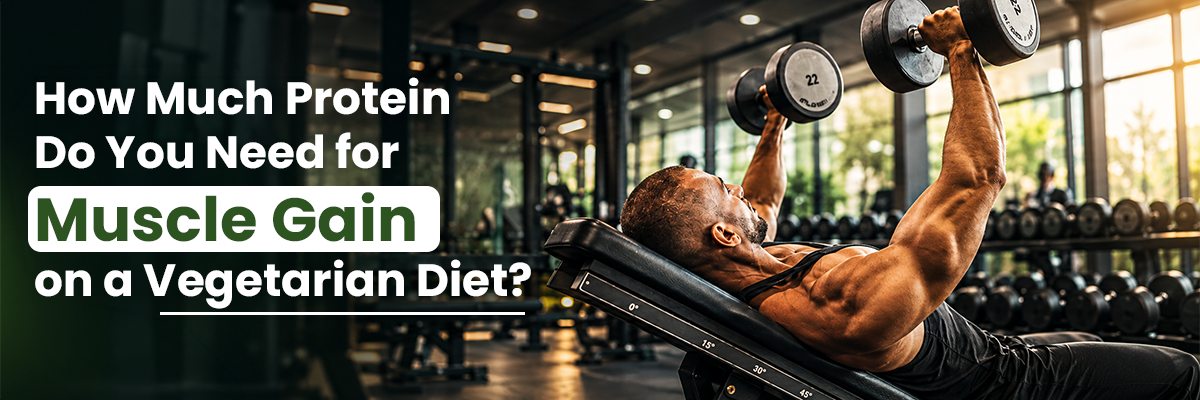
Resistance training gives your muscles the signal to grow. Food provides the building blocks and energy, while sleep and recovery allow your body to adapt. If you consistently miss any of these elements, your progress may slow down.
Why Protein Needs Attention on a Vegetarian Diet
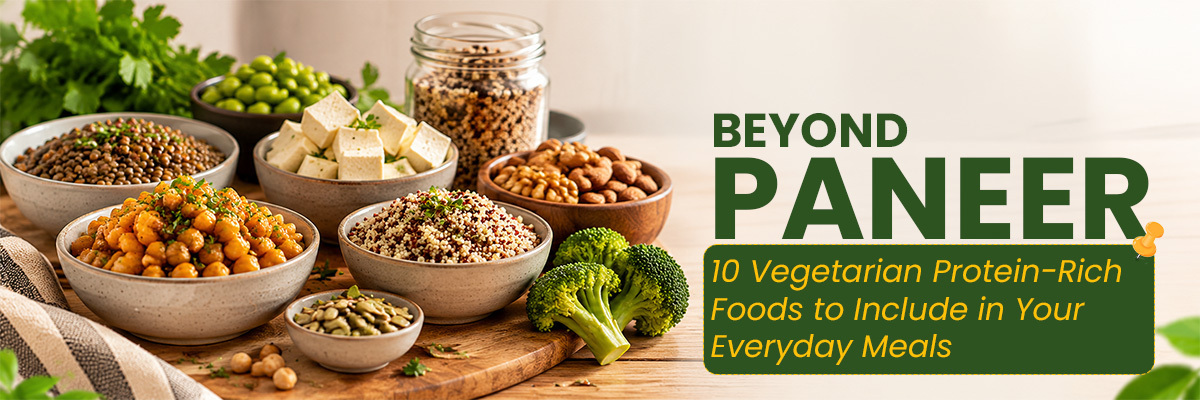
Paneer, tofu, soy, dairy products, lentils, and legumes can all contribute to your daily protein intake. Including different protein sources throughout the day can make it easier to meet your nutritional needs.
Do Not Be Afraid of Carbohydrates
Carbohydrates provide energy for workouts and everyday activities. If your goal is to build muscle, cutting out rice, roti, and other carbohydrate-rich foods is not always helpful. A balanced diet that includes carbohydrates and protein can support your training routine.
Eat Enough, Not Just Clean
A muscle-gain diet requires sufficient overall calories. You can eat nutritious foods and still consume less energy than your body needs. TFK's fitness-focused vegetarian meals can help provide structure to your routine, but your total daily intake should match your individual goals.
Build Your Protein Intake Throughout the Day
Protein goals become easier to manage when you do not expect dinner to make up for the entire day.
For a vegetarian routine, breakfast might include dairy or lentils, lunch could feature tofu or paneer, a snack could include curd, and dinner might contain dal or legumes.
The exact foods can vary according to your preferences. The important habit is to include protein regularly throughout the day. This approach also keeps meals balanced and prevents you from relying on one large serving to meet all your needs.
Pay Attention to Portion Sizes
Seeing paneer, dal, or chickpeas on a menu does not automatically make a meal high in protein. The quantity matters just as much as the ingredient.
A few cubes of paneer used as a garnish provide a different amount of protein than a substantial paneer serving. Similarly, dal served as a small side dish may contribute less protein than you expect.
When planning your meals, consider how much of the protein-rich ingredient is actually included rather than simply checking whether it appears in the recipe.
Balance Protein and Carbohydrates
Fitness advice sometimes makes protein and carbohydrates sound like competing nutrients. In reality, they can work together as part of a balanced diet.
Carbohydrates provide energy for workouts and daily activities, while protein supports muscle repair and growth. Vegetarian meals can include both in practical combinations.
For example, you can try:
- Rice with rajma
- Roti with dal and vegetables
- A grain bowl with tofu
- Paneer with rice and vegetables
The right portions depend on your activity level and individual needs. Automatically removing carbohydrates can make meals less satisfying and may leave you without enough energy for training.
Include Variety to Keep Your Diet Interesting
Even if you enjoy paneer, eating it every day can eventually feel repetitive. Rotating your protein sources can make your meals more enjoyable and easier to maintain.
Consider including tofu, soy, lentils, chickpeas, rajma, beans, curd, and other dairy products in your routine.
Different ingredients offer different textures, flavours, and nutrients. Variety also allows you to explore Indian, Asian, and fusion-style meals without feeling stuck in the same eating pattern.
A long-term nutrition routine is easier to follow when your food remains interesting.
Remember That Training Still Matters
A high-protein meal cannot replace resistance training when muscle gain is the goal. Food supports your body's adaptation, while training provides the stimulus. Sleep and recovery are also important.
It is easy to spend more time planning meals than improving your workout routine. A practical approach keeps the priorities clear: train consistently, eat enough overall, include suitable protein sources, recover properly, and repeat.
Your meals should support your fitness routine rather than become the entire focus of it.
How to Manage Nutrition on a Busy Workday
Even a carefully planned diet may become difficult to follow when meetings and work commitments cause you to miss meals.
Convenience can play an important role in maintaining a consistent eating routine. Having a meal ready can reduce the chances of reaching the gym after a day of coffee and scattered snacks.
A meal service like TFK can help simplify weekday meal planning while you continue to manage your overall calorie intake, training, and personal nutritional needs.
Avoid Turning Nutrition into a Numbers Contest
Tracking numbers can be useful, particularly for athletes with specific performance goals. However, everyday eating should still be practical and enjoyable.
Taste, digestion, budget, culture, and convenience all influence whether a nutrition plan is sustainable.
A nutritious meal that you enjoy and can eat regularly may be more practical than an ideal meal plan that you abandon after a week. Use nutrition information to guide your choices rather than turning every meal into a test.
Make Convenience Work for Your Fitness Goals
Convenience does not have to mean compromising on nutrition. Grocery delivery, prepared ingredients, familiar restaurants, and meal subscriptions can help bridge the gap between your intentions and your daily habits.
The important question is whether the convenient option fits your nutritional goals and preferences.
TFK can help simplify the planning and preparation of vegetarian meals, making it easier to manage your food routine alongside work, training, and other responsibilities. Remember to consider portion sizes and your overall nutritional needs when choosing meals.
How The Fitletic Kitchen Fits Into the Picture
The Fitletic Kitchen is made for people who want vegetarian meals to fit easily into a Mumbai routine. Instead of focusing on labels, TFK offers freshly prepared nutritionist-designed vegetarian meals with rotating recipes and simple subscription management. For someone researching a vegetarian diet for muscle gain, the benefit lies not in chasing perfection. In removing repeated weekday decisions. TFK currently serves selected areas from Andheri to Dahisar, so check if it’s available where you live. The right plan should still match your goals, appetite, and total daily intake.
FAQs
1. Can paneer help with muscle gain?
Yes. Paneer contributes protein and energy.
2. Is soy suitable for a muscle-gain diet?
Soy is a vegetarian protein source.
3. Do I need supplements?
Not necessarily. Some people use them for convenience. Food alone can meet protein needs.
4. How much protein do I need?
It depends on your body size, training level and goals. A qualified professional can set a target.
5. How do I know whether a vegetarian diet for muscle gain is right for me?
Look at your goal, schedule, food preferences, appetite and budget. If you have a condition or special nutrition need, get advice from a qualified healthcare provider.
Conclusion
You can build muscle on a diet. The formula isn’t complicated: resistance training, enough total food, adequate protein, useful carbohydrates and recovery. The hard part is doing those basics consistently. The Fitletic Kitchen can help make that routine easier, with prepared vegetarian meals designed for busy Mumbai schedules. Still, the final choice should reflect your goals and needs.